What Is Fashion Designing is an artistic and creative profession that revolves around the conceptualization and production of clothing, accessories, and footwear. It is a fusion of aesthetics, functionality, and innovation, shaping the way individuals express themselves through their attire. Fashion designers not only create garments but also set trends that influence personal style and cultural identity. Their work extends from high-end haute couture to casual, everyday wear, catering to diverse consumer preferences. The industry thrives on originality, requiring designers to constantly explore new ideas, materials, and design techniques. Moreover, is deeply intertwined with social and cultural movements, reflecting changes in lifestyles and global influences.
Technological advancements, such as digital fashion illustration and sustainable fabric innovations, have revolutionized the field, offering new creative possibilities. The fast-paced nature of demands adaptability, as trends evolve rapidly due to seasonal collections, celebrity influences, and consumer-driven demands. Success in this field requires not only artistic talent but also business acumen, marketing skills, and an understanding of production processes. Whether working for luxury brands, launching personal labels, or collaborating with retail chains, designers play a crucial role in shaping modern aesthetics and global fashion landscapes.
Meaning of Fashion Designing
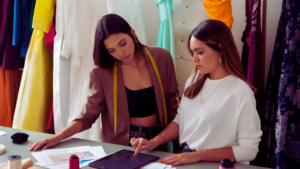
Fashion design is the process of conceptualizing and creating apparel and accessories that reflect style, culture, and innovation. It involves a combination of artistic vision, technical skills, and market knowledge to produce clothing that appeals to different demographics. Fashion designers work with fabrics, colors, patterns, and silhouettes to craft unique pieces that align with current trends and consumer preferences.
Key Elements of Fashion Designing
| Element | Description |
| Creativity | The ability to design unique and appealing clothing styles. |
| Technical Skills | Understanding fabrics, sewing, and garment construction. |
| Market Research | Analyzing fashion trends and consumer preferences. |
| Sketching | Creating preliminary designs and patterns. |
| Branding | Building a recognizable fashion identity. |
The Process of Fashion Designing
Fashion design is a structured yet highly creative process that transforms ideas into wearable art. It involves multiple stages, ensuring that the final product aligns with quality standards, market trends, and consumer preferences. The process begins with extensive research and inspiration gathering, followed by sketching, material selection, and technical development. Designers then move on to pattern making, sewing, and fittings before the final presentation. Each stage is crucial in refining the design and ensuring the garment or accessory is both aesthetically pleasing and functional.
Research and Inspiration
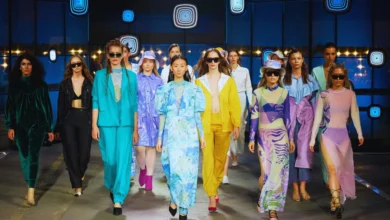
Fashion designers start by exploring various sources of inspiration, including runway shows, cultural influences, social media, and art. Studying historical fashion trends and analyzing consumer preferences helps in identifying new design directions. Nature, architecture, and even global street styles often play a significant role in shaping innovative collections. This research phase allows designers to create unique and relevant concepts that resonate with their target audience.
Concept Development
Once inspiration is gathered, designers translate their ideas into sketches and digital renderings. These preliminary drawings serve as blueprints for the final garment. Many designers use computer-aided design (CAD) software to refine details, experiment with colors, and perfect silhouettes before moving to the production phase. This step ensures a clear vision and minimizes errors during manufacturing.
Material Selection
Selecting the right fabric is vital as it determines the garment’s overall feel, durability, and functionality. Designers collaborate with textile manufacturers to source materials that best complement their designs. Fabric choices vary depending on factors such as seasonality, comfort, sustainability, and cost. Advanced textile innovations, such as eco-friendly fabrics and smart textiles, are increasingly becoming popular in modern fashion.
Pattern Making and Prototyping
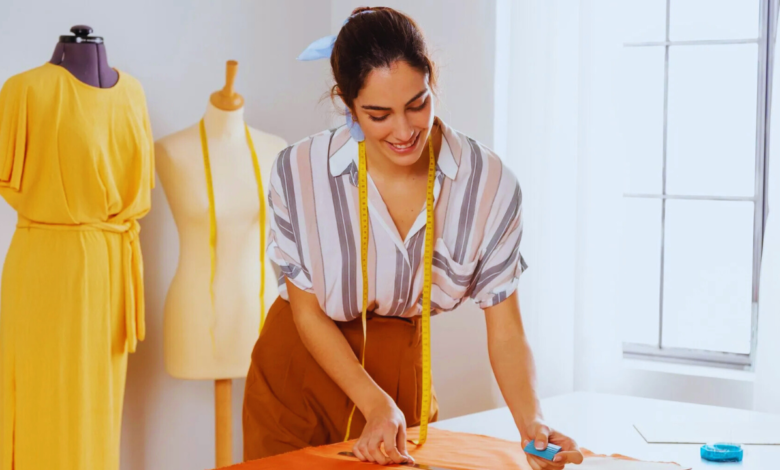
Pattern making is a crucial step in fashion design, as it translates a designer’s sketch into a structured blueprint for garment construction. Patterns are typically drafted on paper or digitally using specialized software. These patterns ensure that the fabric pieces fit together seamlessly to create the intended shape and style. Once the pattern is finalized, a prototype or sample garment is created. This prototype allows designers to assess the fit, fabric behavior, and overall aesthetics. Adjustments are made as needed before moving to the final production stage, ensuring the garment meets quality and design expectations.
Manufacturing and Production
After the prototype is approved, the design enters the manufacturing phase. Depending on the brand and target market, production may involve mass manufacturing for retail stores or limited-edition collections for exclusive buyers. The garments are cut, stitched, and assembled in factories or small-scale production units. Quality control is a key aspect of this phase, ensuring that every piece aligns with industry standards in terms of stitching, fabric durability, and overall craftsmanship. Once completed, the finished products are packaged and distributed to stores, online platforms, or fashion retailers.
Steps in the Fashion Design Process
| Step | Description |
| Research | Analyzing trends, colors, and materials. |
| Sketching | Creating design concepts on paper or digitally. |
| Material Selection | Choosing fabrics and embellishments. |
| Pattern Making | Developing templates for garment construction. |
| Sewing & Assembly | Producing the final garment. |
| Marketing | Promoting the designs through various channels. |
Career Scope in Fashion Designing
Fashion design presents a vast array of career opportunities for individuals with creativity, innovation, and a keen eye for trends. The industry has expanded beyond traditional roles, offering positions in clothing design, accessory creation, textile development, and fashion marketing. With the integration of technology, digital fashion, and e-commerce, designers now have the chance to showcase their work to a global audience. Many designers launch their brands, collaborate with houses, or work with international retailers to bring their vision to life.
Apart from designing, career options extend into areas such as fashion styling, merchandising, costume design for films and theater, and trend forecasting. Social media and online marketplaces have made it easier for independent designers to build their brands and sell directly to consumers. Additionally, sustainable and ethical fashion is gaining popularity, creating opportunities for designers focused on eco-friendly production. Whether working for luxury brands, starting a personal label, or specializing in niche markets, designers have endless possibilities to grow and evolve in this dynamic industry.
Career Opportunities in Fashion Designing
Fashion design offers a wide range of career paths for creative individuals passionate about style, trends, and innovation. Whether working behind the scenes in fabric development or styling celebrities, the industry provides numerous roles catering to different skills and interests. Here are some key career opportunities in fashion design:
- Fashion Designer – Develops unique clothing collections for brands, fashion houses, or personal labels. Designers create sketches, select fabrics, and oversee production.
- Textile Designer – Specializes in designing fabrics, patterns, and prints used in clothing, upholstery, and accessories. They experiment with textures, colors, and materials to create innovative textiles.
- Fashion Stylist – Curates outfits and coordinates looks for models, celebrities, and photo shoots. Stylists play a crucial role in shaping the image of public figures and media campaigns.
- Retail Merchandiser – Manages fas hion retail stores, analyzes consumer preferences, and predicts future trends to optimize product placement and sales strategies.
- Fas hion Illustrator – Creates sketches, drawings, and digital renderings for designers, fashion houses, and publications. Their work helps visualize design concepts before production.
- Costume Designer – Designs outfits for movies, theater productions, and TV shows, ensuring that the costumes align with the character, story, and historical accuracy.
- Fas hion Blogger/Vlogger – Produces content about fas hion trends, styling tips, and industry updates through blogs, YouTube, and social media platforms, influencing consumer choices and brand popularity.
Wrapping up
Fashion design is a dynamic and ever-evolving industry that merges creativity, innovation, and business strategy. It provides a vast array of career opportunities, including apparel design, accessory creation, marketing, and brand development. The field demands not only artistic vision but also technical expertise and a keen understanding of consumer preferences. Designers who stay updated with trends, master fabric manipulation, and embrace sustainability can carve a niche for themselves in this competitive industry. Than just clothing; it is a powerful medium of self-expression and cultural storytelling that influences societies worldwide. With the right skills, formal education, and an entrepreneurial mindset, aspiring designers can establish themselves in the global.
The rise of digital sustainable practices, and technological advancements in textile production continues to reshape the industry, offering new creative possibilities. Whether designing haute couture for elite clients, crafting ready-to-wear collections for mass markets, or launching innovative fas hion startups, designers play a crucial role in defining style trends. As continues to evolve, those who are passionate, adaptable, and innovative will lead the way in shaping the future of the industry.
FAQs
What skills are needed to become a successful fashion designer?
A successful fas hion designer requires creativity, sketching abilities, knowledge of fabrics, an understanding of color theory, and sewing techniques. Business acumen, market research skills, and proficiency in digital design software also help designers build a successful career.
What education is required for fashion designing?
Many fas hion designers pursue a degree in design, textile design, or a related field. Institutes offer specialized courses in garment construction, marketing, and pattern making. Some designers gain experience through internships and apprenticeships.
How important is technology in modern fashion design?
Technology plays a crucial role in modern design. Computer-aided design (CAD) software, 3D printing, and AI-driven forecasting help designers create, modify, and predict trends. E-commerce and digital marketing have also expanded opportunities for designers.
What are the different types of fashion designing?
Fas hion design includes haute couture (luxury custom-made designs), ready-to-wear (mass-produced sustainable (eco-friendly designs), sportswear, and costume design.
Is fashion designing a lucrative career?
Yes, designing can be highly lucrative, especially for designers who establish a strong brand identity. Success depends on creativity, business strategies, and industry connections. Many designers earn through retail sales, collaborations, and online platforms.
What is the role of sustainability in fashion design?
Sustainability in involves creating eco-friendly clothing by using ethical practices, organic fabrics, and waste-reducing methods. Many designers are adopting sustainable practices to reduce the industry’s environmental impact and meet consumer demands for ethical.
In what ways do fas hion designers keep abreast of the most recent trends?
Designers keep up with trends through shows, industry events, trend reports, and social media. They analyze consumer behavior, collaborate with influencers, and experiment with new materials to stay ahead in the competitive market.